

Sugar
Sugar is a generic term for sweet-tasting, soluble carbohydrates, which are commonly utilized in food. Glucose, fructose, and galactose are examples of simple sugars, often known as monosaccharides. Compound sugars, commonly known as disaccharides or double sugars, are two monosaccharides connected by a glycosidic bond. Sucrose (glucose + fructose), lactose (glucose + galactose), and maltose are common examples (two molecules of glucose). Sucrose, a disaccharide comprised of glucose and fructose, is referred to as table sugar, granulated sugar, and ordinary sugar. Compound sugars are hydrolyzed into simple sugars in the body.
Longer chains of monosaccharides are referred to as oligosaccharides or polysaccharides, and are not considered sugars. The most abundant source of energy in human food is starch, a glucose polymer found in plants.
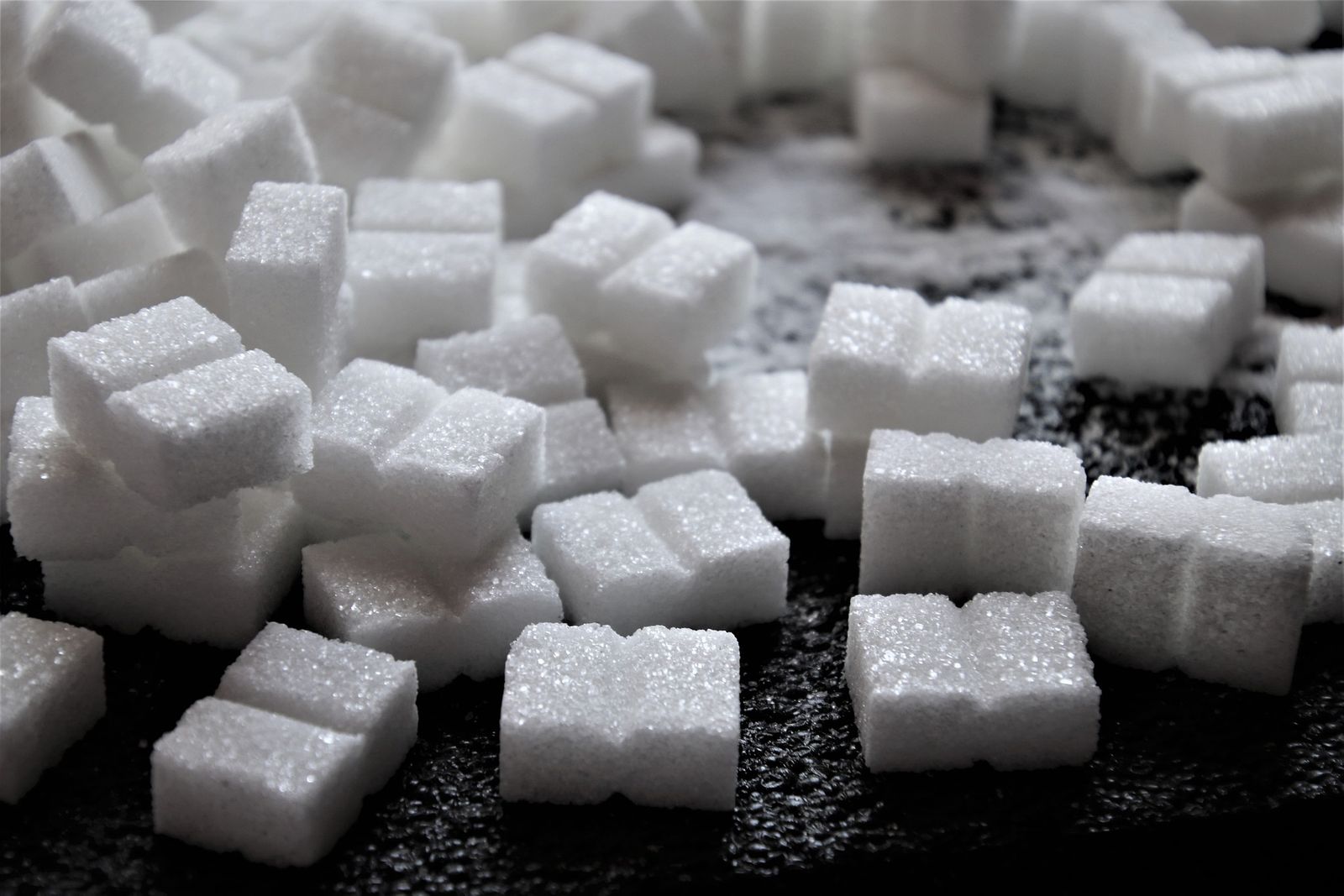
Most plants have sugars in their tissues. Simple sugars can be found in abundance in honey and fruit. Sugarcane and sugar beet have a high concentration of sucrose, making them ideal for commercial extraction of refined sugar. The combined global production of those two crops was almost two billion tones in 2016. Maltose is a sugar that can be made by malting barley. The only sugar that cannot be derived from plants is lactose. It can only be found in milk and various dairy products, including human breast milk. Maize syrup, which is generated industrially by turning corn starch into sugars including maltose, fructose, and glucose, is a cheap source of sugar.
Sucrose is used in prepared goods (such as cookies and cakes), is occasionally added to commercially available processed foods and beverages, and can be used as a sweetener in foods (such as toast and cereal) and beverages by individuals (e.g. coffee and tea). Each year, the average human consumes roughly 24 kilograms (53 pounds), with North and South Americans consuming up to 50 kilograms (110 pounds) and Africans consuming less than 20 kilograms (44 lb).
As sugar consumption increased in the second half of the twentieth century, scientists began to investigate whether a high-sugar diet, particularly refined sugar, was harmful to human health. Sugar consumption is linked to the development of obesity, diabetes, cardiovascular disease, and tooth decay.
Numerous studies have attempted to elucidate those implications, but with mixed results, owing to the difficulties in locating individuals that consume little or no sugar as controls. In 2015, the World Health Organization suggested that adults and children limit their intake of free sugars to less than 10% of their total energy intake, with a goal of less than 5%.
Sugar has been grown on the Indian subcontinent since ancient times, and cultivation has spread via the Khyber Pass into modern-day Afghanistan. Honey was more commonly utilized for sweetening in most parts of the world since it was plentiful and affordable. Originally, raw sugarcane was chewed to extract its sweetness. Sugarcane is a tropical plant.
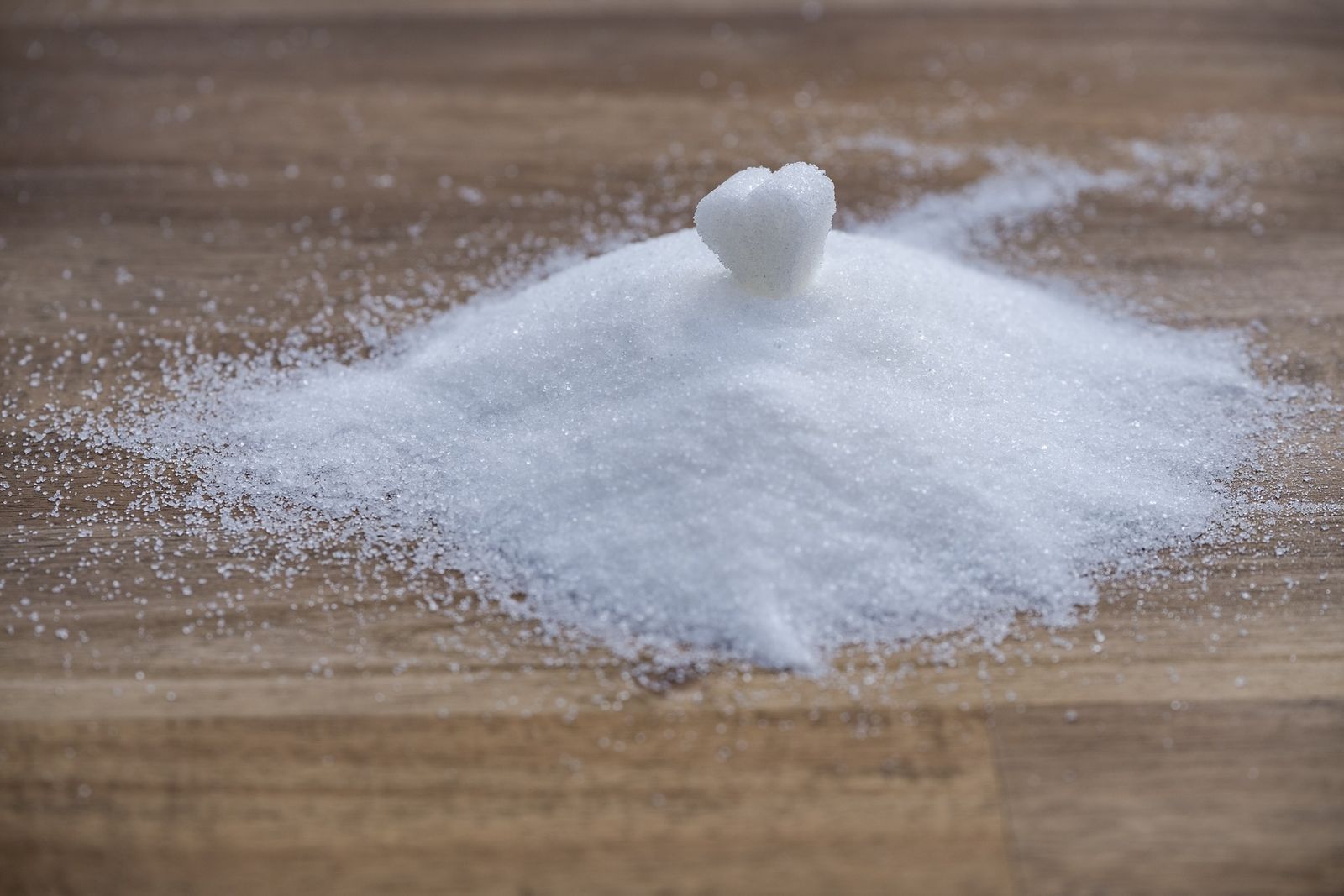
Recently I went through some Korean supermarket Dubai and I bought a packet of sugar and it was properly cubed. The taste of sugar was perfect and not just sugar there were many other products such as kimchi and it was yum.
Sugarcane was a tropical plant that grew wild in places like the Indian subcontinent (South Asia) and Southeast Asia.
Saccharum barberi is said to have originated in India, while Saccharum edule and S. officinarum are thought to have originated in New Guinea.
One of the first historical references to sugarcane may be found in Chinese writings from the eighth century BCE, which claim that sugarcane cultivation began in India.
